Abuse from adult children toward parents is one of the hardest things to understand or organize in one’s mind. Parental abuse from adult children can take many forms: financial abuse, cruelty, gaslighting, destroying property, theft, and physical abuse. Adults with disorganized attachment are more likely to be abusive. It is estimated that 40% of adopted children have a disorganized attachment. Some estimates are even higher, depending on the age of adoption. People with disorganized attachment are also more likely to have personality disorders. Personality disorders are notoriously hard to treat because they cannot be managed by medication. So what can be done to prevent parental abuse by adult children? The key lies in setting boundaries with those adult children.
Key Takeaways: Setting Boundaries with Abusive Adult Children
- Abuse takes many forms – financial exploitation, gaslighting, property destruction, theft, physical violence, and emotional cruelty.
- Many parents don’t recognize abuse – it feels disloyal to acknowledge, leading to years of tolerance before addressing it.
- “Detached contact” is healthiest – maintain connection with firm boundaries rather than allowing abuse or cutting off contact entirely.
- Set your own terms – control meeting locations, communication methods, and refuse to engage in drama or rescuer/persecutor roles.
- Expect anger, but stand firm – your adult child will be upset when you change the rules, but boundaries exist to improve the relationship, not end it.
What If Your Adult Child Is Abusive Toward You?
My daughter still lives at home and treats me terribly. No space is sacred to her. She will come into my room and take anything she wants. She brings people to our house who don’t follow any of our rules. Anytime we try to address these behaviors, she curses us out, accusing us of not loving her. In fact, anytime we discuss her behaviors, she turns it on us. It’s all because of something we did or do. Or it is because she is insecure and lonely and not good at anything, according to her.
We really do understand that she has limitations and that her life is more challenging than the average young adult, but her mistreatment of us is constant. She is 23 years old, and we have no idea how she would make it without us. We know she is safer at home than in other spaces she might be welcomed into. We can’t do this anymore, and yet we don’t know if it’s right to put a “hard stop” to this by requiring her to move or not.
It’s hard to understand abuse from one’s own child. Somehow, even speaking about it feels disloyal and taboo for most parents. Many parents tolerate levels of abuse for years before they even recognize that it is abuse. These parents feel so isolated and desperate for answers. Should they continue to engage in this pattern where they are physically or emotionally abused? Should they continue to invite their adult child into their home to have their property destroyed and their safe haven disrupted?
Stopping Parental Abuse By Setting Boundaries with Adult Children
There are two main, healthy reasons to set boundaries with your adult children: 1) protection and 2) connection. We cannot have intimacy with anyone who is constantly violating boundaries, and yes, our own protection matters. In these situations, you can do a “detached contact” situation. What does this look like?
1. Boundaries Start Internally
You have to detach from the idea of what you thought this would look like and operate under a totally different, and yes, much more challenging relationship. As long as you are in denial that you are being abused, nothing will change. As long as you believe that staying in connection without boundaries with an abusive adult who happens to be your child is acceptable, nothing will change.
2. Detaching Causes Grief
The process of detaching is grief. It is so much easier to believe what you want to, rather than the ugly reality. Give yourself time and space for this grief. There is nothing easy about this, and it can be difficult to stand firm when the journey gets hard.
3. Set New Terms
You set the terms for contact. What feels safe to you? Maybe meeting in the home is too triggering for now, so maybe you can meet for lunch instead. Maybe answering the phone will mean that you will endure a barrage of accusations or abuse, so maybe you only text.
4. Avoid Drama
Refuse to enter into the drama. Adults who emotionally abuse others want to push them into a persecutor role or a rescuer role. Refuse both roles and stay out of the drama.
5. Abuse Has No Excuse
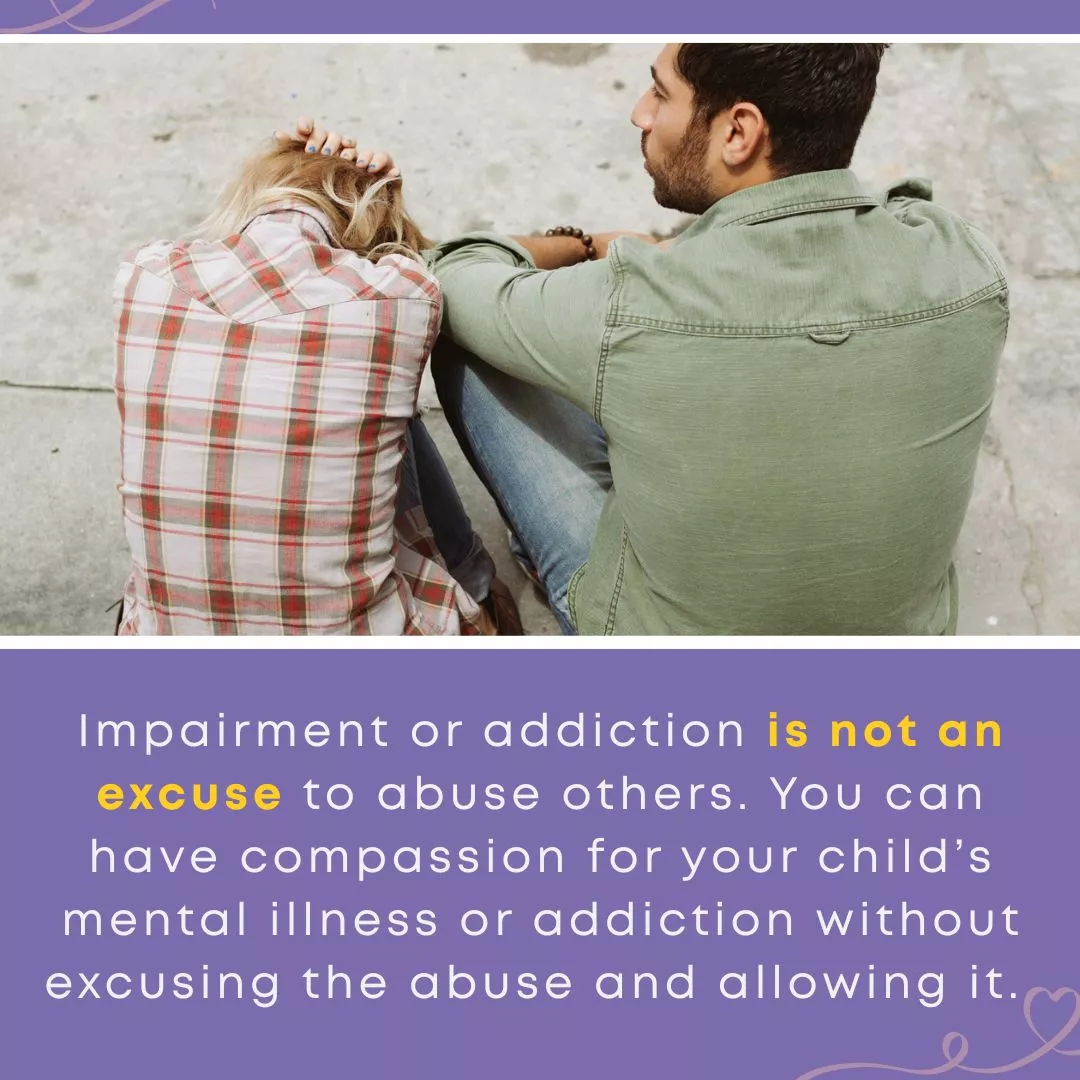
Recognize that impairment or addiction is not an excuse to abuse others. You can have compassion for your child’s mental illness or addiction without excusing the abuse and allowing it.
6. Continue Reaching For Your Adult Child
Not reaching for your kid is not an option. Detached contact still has the word “contact” in it because it is important, and you do want to leave space for change, growth, and even healing. Keep reaching for your adult children in ways that feel safe to you, but still remind them that they are loved, and that you have set these boundaries to improve your relationship, not to end the relationship. Always go back to this point with your child: “I love you and want to have a relationship with you for the rest of your life. We will never have a good relationship if I allow you to continue to hurt me.”
Detached Contact With Adult Children Prevents Parental Abuse
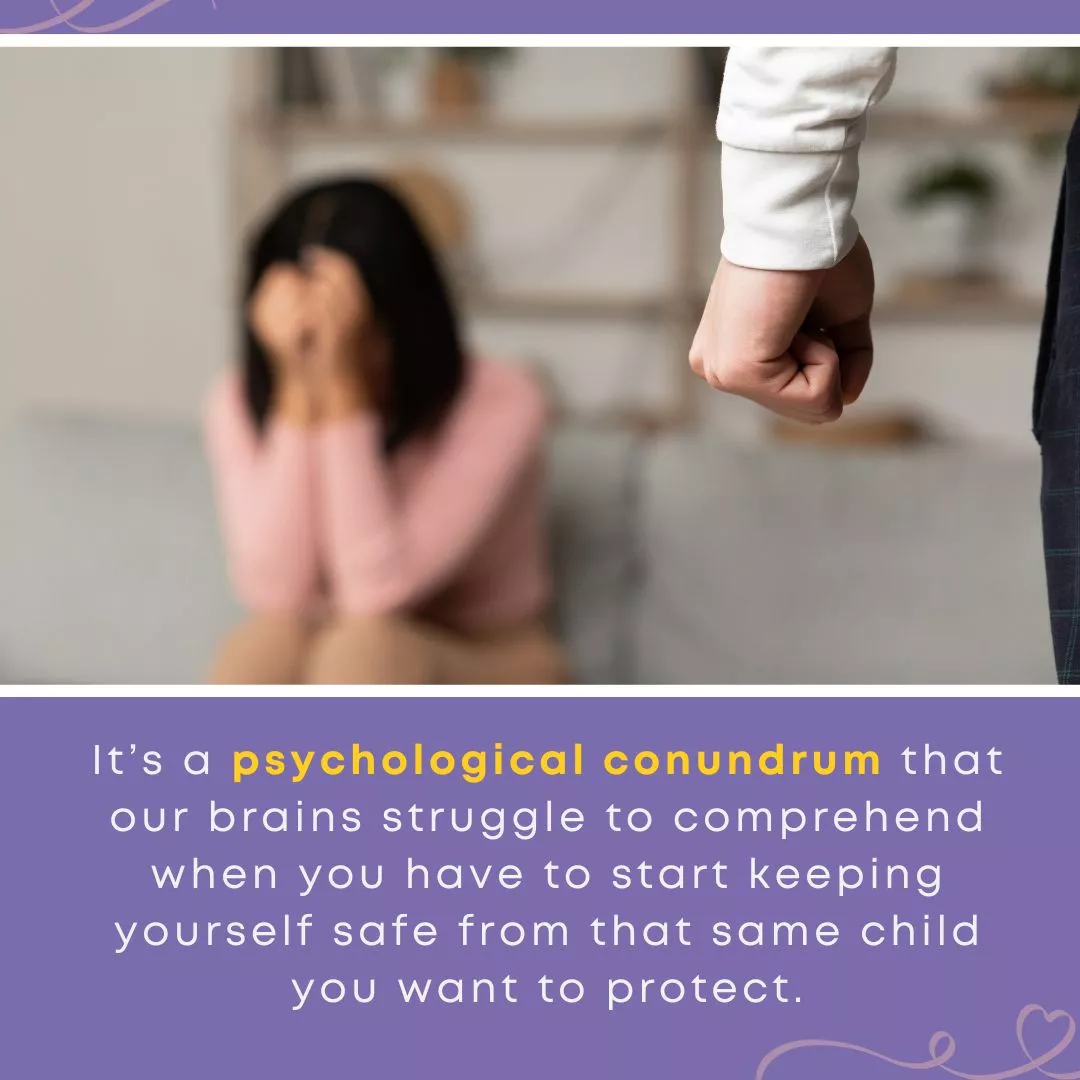
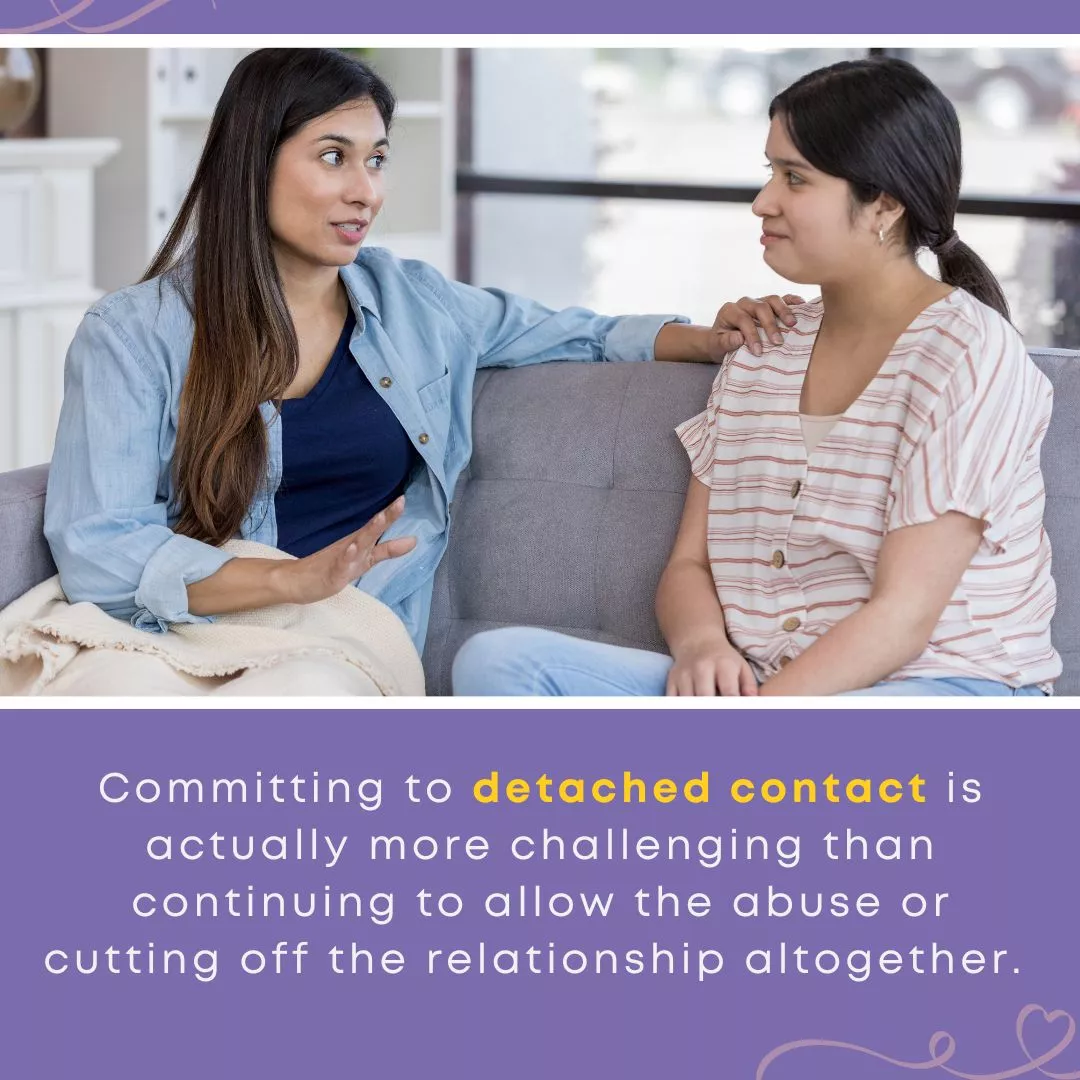
Committing to detached contact is actually more challenging than continuing to allow the abuse or cutting off the relationship altogether. This is something that won’t make sense to someone who has never experienced this type of abuse. You see, parents have this innate desire to protect their kids and keep them safe. It’s a psychological conundrum that our brains struggle to comprehend when you have to start keeping yourself safe from that same child you want to protect.
Parents will allow their adult children to live in their homes and continue to abuse them, believing that they are keeping their kids safe. Their home, they reason, is so much safer than other places. The thing is, the only person’s safety they are considering with this logic is the adult child’s. They are not considering their own safety, the peace of the home, or even siblings in the home. I often ask parents, “What decision would you make here if every single member of this family was equally important?”
Setting Boundaries With Adult Children To Prevent Parental Abuse
Boundaries need to be set for a chance of a healthy relationship. Boundaries don’t need anyone’s consent to be set. If you can’t say “no” to someone with confidence, then your “yes” to that person will always be inauthentic. Setting healthy boundaries is the only chance you have at having a future relationship with your adult child and preventing parental abuse.
When you set a boundary with your adult child, you have to understand that they will be angry, very angry. This is completely expected, given the fact that you are changing the unwritten contract about what they are allowed to do. This is normal, given that you are taking their power away in your home. Some young adults adjust to this boundary setting and are able to stay at home. Some have to leave for a season before they are willing to comply. Others leave and stay angry for a while. In my experience, this estrangement is not lifelong, particularly if you keep reaching out to your adult children for connection.
Summary
Abuse from adult children—whether financial, emotional, or physical—is a deeply painful reality that many parents struggle to acknowledge or discuss. Parents often tolerate mistreatment for years, believing they’re protecting their child by allowing them to stay at home, while failing to consider their own safety and well-being.
The solution isn’t continuing to endure abuse or cutting off contact entirely, but rather implementing “detached contact”—maintaining a connection while setting firm boundaries. This approach requires parents to grieve the relationship they hoped for, establish clear terms for safe interaction, and refuse to engage in drama or make excuses for their adult child’s behavior, even when mental illness or addiction is involved.
Setting boundaries will trigger anger from the adult child, but it’s the only path toward a potentially healthy future relationship. Parents must keep reaching out with love while making it clear: “I love you and want a relationship with you for the rest of your life. We will never have a good relationship if I allow you to continue to hurt me.” The key is treating every family member as equally important when making decisions about safety and boundaries.
©2026 Dr. Melody Aguayo. Used with Permission.