
Foster parents often find themselves in the tension between the responsibility of caring for the child in their home and the need to care for themselves physically, mentally and emotionally as the caregiver. Finding time for self-care can be challenging. That’s where respite foster care enters the scene.
What Is Respite Foster Care?
Respite foster care is short-term care provided to a child in foster care so their full-time foster parents can rest, attend to emergencies, or prevent burnout. Respite care for foster families may last a few hours, a weekend, or several days and is provided by trained, background-checked, licensed caregivers through their state or a local child welfare agency. They aren’t fill-ins, but a crucial part of the foster care support system.
Many people don’t realize you can become a respite foster care provider without committing to full-time fostering. In fact, respite care is one of the most needed and most overlooked ways to support foster families. It provides the time foster parents need while ensuring that the children continue to receive the consistent love and care they deserve.
Why Respite Care for Foster Families Is So Important
One Friday evening, a foster family dropped off their eight-year-old boy at a nearby home for the weekend. His foster parents had a family emergency and needed just a couple of days to regroup, recharge and breathe. The boy wasn’t in trouble, and he wasn’t being “given up.” But even so, his eyes held questions. Would he be safe? Would these people be kind? Would anyone remember how he liked his sandwiches cut?
By Sunday afternoon, he had built a pillow fort with the family’s kids, giggled through a game of Uno and told his respite foster caregiver she made “the best peanut butter and jelly sandwiches in the world.” When his foster parents picked him up, they were visibly lighter. And the boy? He felt cared for.
This is the kind of restoration respite foster care can make.
Foster parents carry an enormous emotional weight. The needs are great, the stories are hard, and the days can be long. Without support, many of these foster families experience burnout and stress. Sometimes there can even be instances of placement disruptions where a child must be moved to another home, often unexpectedly. This kind of instability can be deeply wounding for children who have already endured loss and trauma.
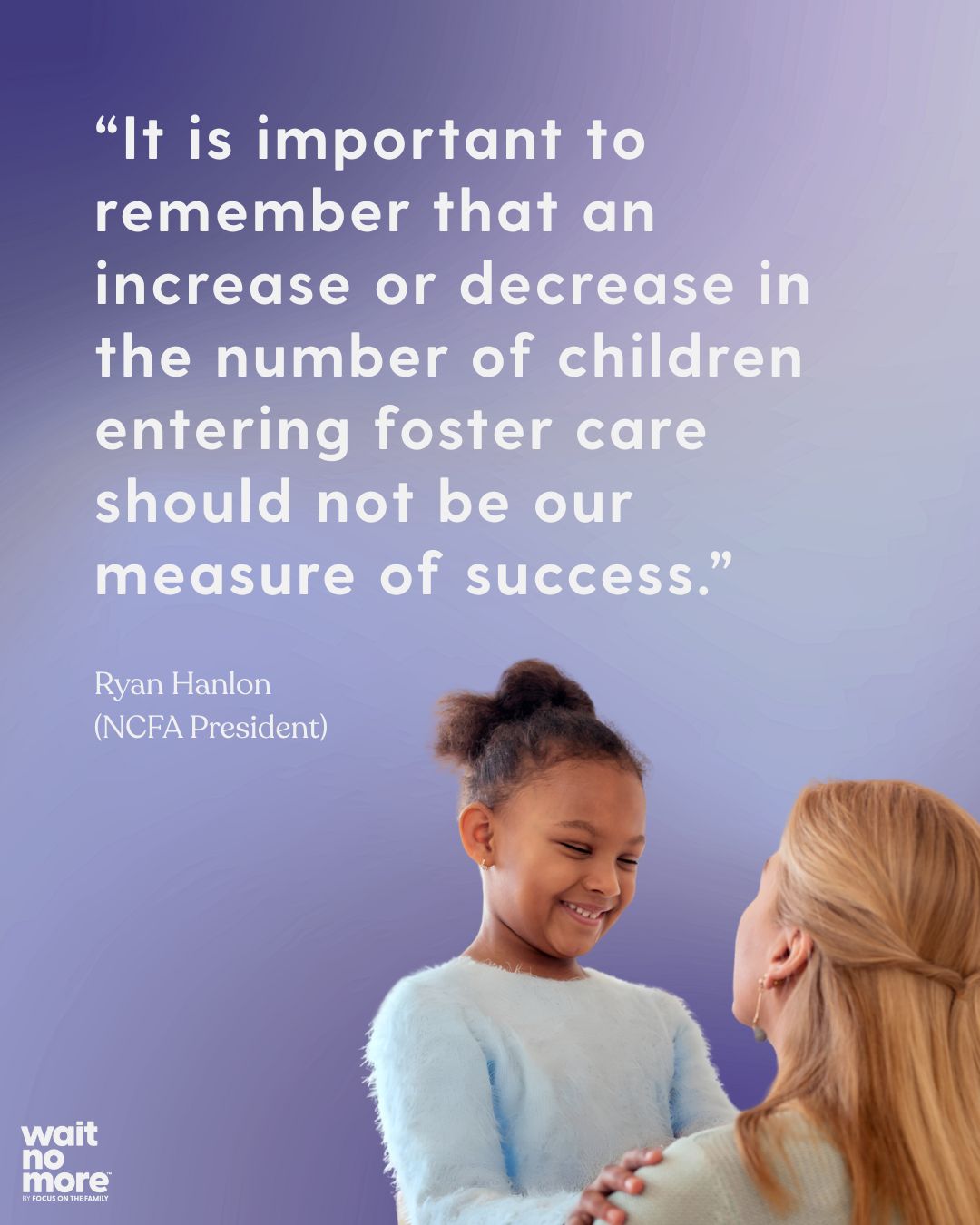 “It is important to remember that an increase or decrease in the number of children entering foster care should not be our measure of success,” Former NCFA President and CEO Ryan Hanlon said. “Rather, our goal should be to reduce child maltreatment rates, reduce time spent outside permanent family care, and reduce timeframes and numbers of children awaiting adoption.”
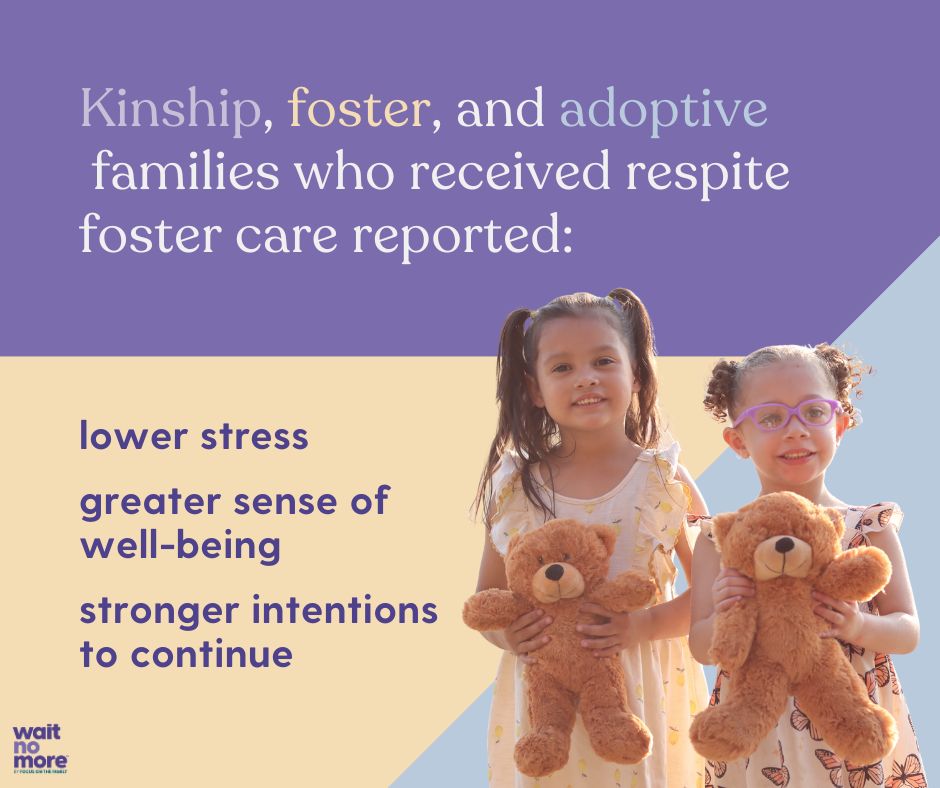
Respite foster care plays a vital role in that mission. A national review by the Assistant Secretary for Planning and Evaluation (ASPE) shows that 20 to 25 percent of foster homes close each year. One of most effective ways to reduce this? Access to trusted respite care. Research published in the Journal of Child Welfare shows that kinship, foster, and adoptive families who received respite foster care reported lower stress, a greater sense of well-being, and stronger intentions to continue fostering.
Do You Get Paid for Respite Foster Care
Generally, if you are a certified respite foster care provider, you get paid for your services. This payment is given to help cover the cost of providing meals and activities while the child is with you overnight or over the weekend. It is recommended that you check your state’s child welfare guidelines, as states can vary in how they reimburse for care.
 Respite Foster Care Requirements
The safety of children while in respite care is very important. In keeping this as a priority, your state has specific requirements for individuals or families looking to provide respite care for foster families. Please check your state’s requirements as there may be some variation between states. Here are some general guidelines.
- Age requirement – generally 21 years old. The minimum age may be higher in some states.
- Basic application to fill out
- Background checks – including criminal background checks, FBI fingerprints, and child abuse/neglect reports
- Home inspection – to verify that the home is environmentally safe, including fire, health, and structure
- Training – varies by state. This generally includes trauma training, first aid, and CPR certification.
How to Become a Respite Foster Care Provider
Whether you’re a foster parent looking for support, someone wondering how to help, or a church leader ready to get involved, respite foster care is a beautiful place to start.
Here are some reflective steps to keep in mind:
Pray
- Ask God if He’s leading you to open your home or maybe just your schedule for a few hours a month.
Learn
- Connect with a local child welfare agency, child placement agency, or Christian foster care partner. Ask questions or attend an information night.
Serve
- If respite foster care isn’t your step right now, offer a meal, mow a lawn, or show up in other simple, tangible ways that feel right for you.
How Churches Can Support Foster Families Through Respite Care
The Church is uniquely positioned to help. Churches already offer what children and families need most. For a child, staying with someone they’ve seen in Sunday school or sitting a few pews away can ease the fear of being in a new place. For foster parents, it’s reassuring to know their child is with someone they already know and trust.
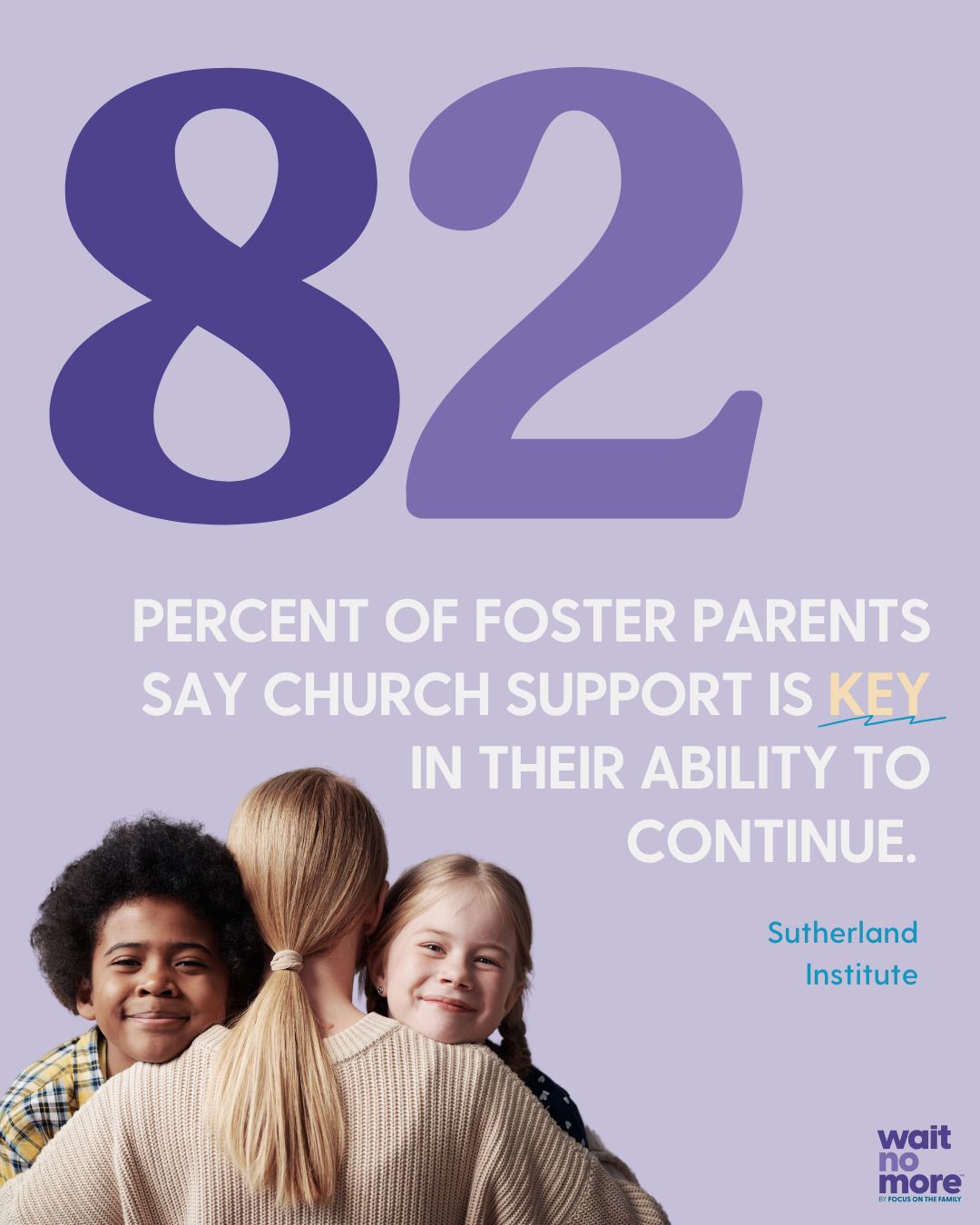
In fact, 82% of foster parents say faith or church support is a key factor in their ability to continue. According to the Sutherland Institute, foster families recruited through churches stay active 2.6 years longer than those who come through other avenues. That kind of longevity transforms lives, especially in the lives of children who need consistency most.
FAQ About Respite Foster Care
Where do I begin the process?
The first step is to contact a local child placement agency in your area. You can also reach out to your state’s Department of Human services. Both of these agencies will be able to get you pointed in the right direction and get the process started.
Can I choose how often I provide respite foster care?
Yes. There is flexibility in providing care. You decide what fits into your schedule, whether that is one or more weekends each month or providing care periodically throughout the month.
Do I need to own a home to be a respite foster care provider?
No. There is not a requirement to own a home. However, there must be adequate space for the child, including a separate bedroom.
Can I still do respite foster care if I have kids of my own in the home?
Yes. As long as there is adequate space and bedrooms for the child in respite care to have their own room, you can still do respite foster care. All adults ages 18 and over living in the home will have to pass a background check.
I am not married. Can I still do respite foster care?
Yes. Your marital status does not affect your eligibility to do respite foster care.
It doesn’t take a full-time commitment to make a lasting difference. It takes one yes. One open door. One faithful step. Respite foster care changes lives, and it might start with yours.
©2026 Focus on the Family. Article adapted from “Why Does Respite Foster Care Matter” by Kylie Roggie